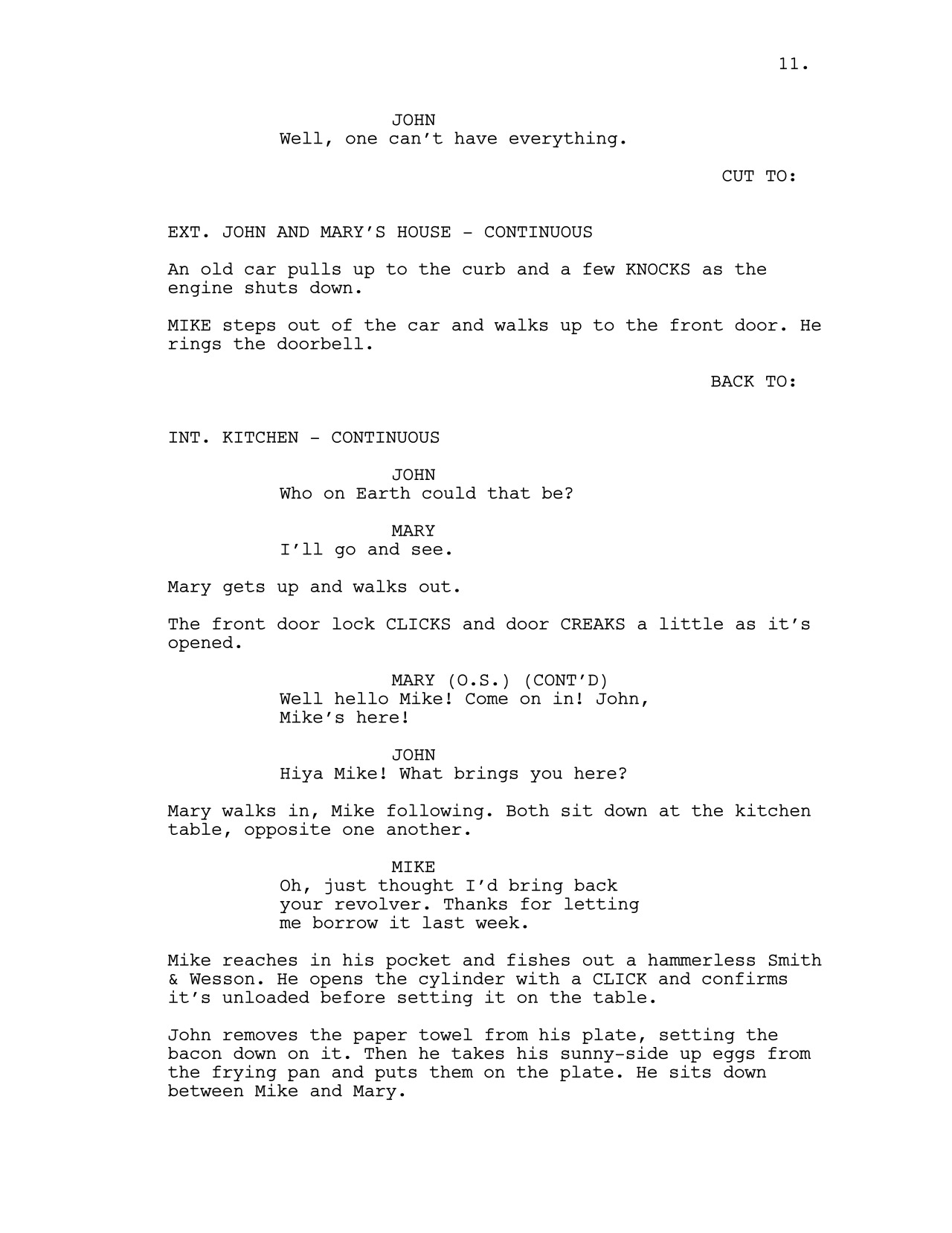
A screenplay is a production-oriented script built around scenes, visible action and dialogue. A novel is prose that can move freely through narration, thought, description and time. You can adapt the same premise into both, but the writing decisions are different.
What a screenplay asks you to do
A screenplay usually identifies where and when each scene happens, then describes what the audience can see or hear. Character cues and dialogue are separated so a reader can scan the page. Inner thoughts need a screen expression—an action, image, line or sound—if they are to appear in the film.
What a novel lets you do
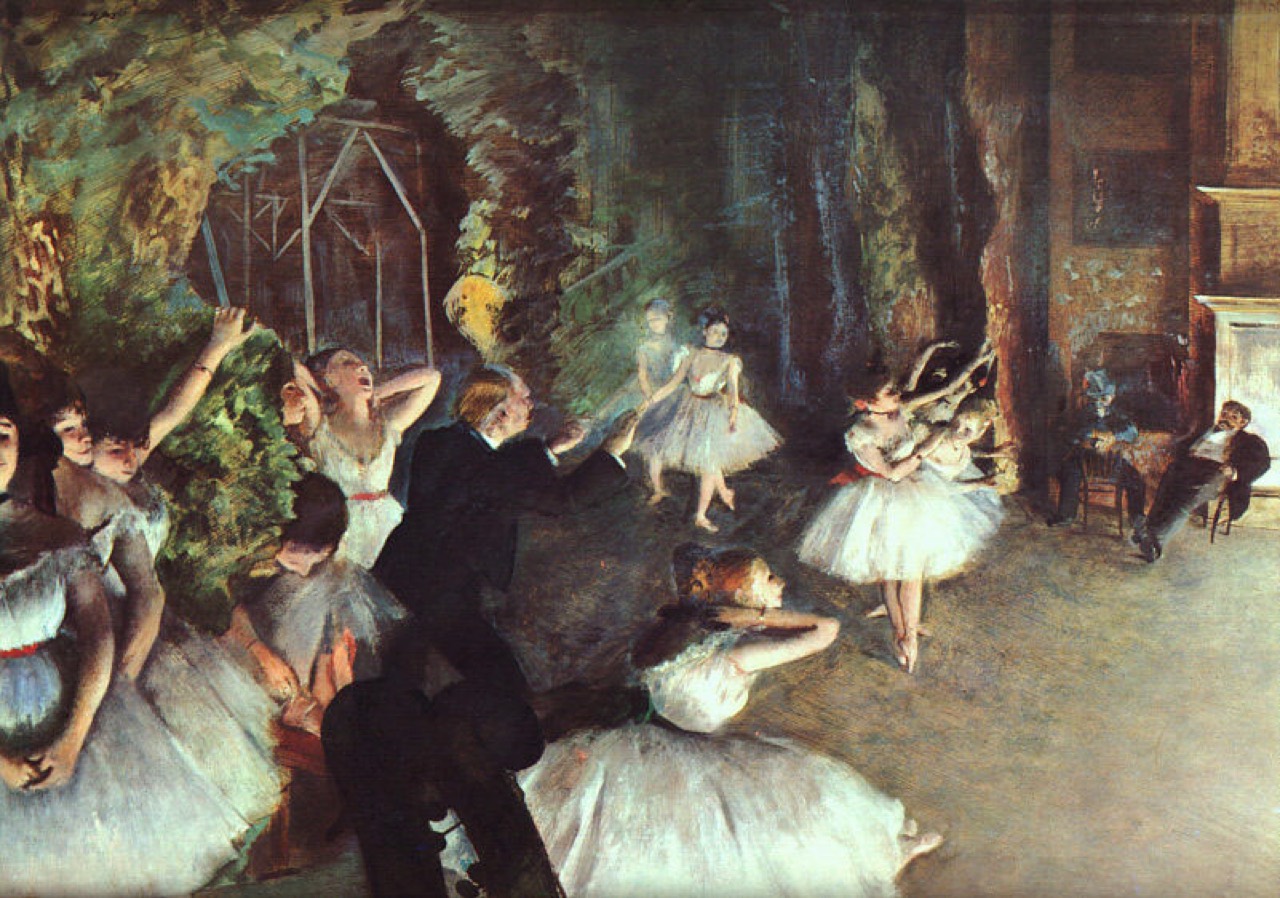
A novel can stay inside a character's mind, shift narrative distance, summarise years or linger over one second. The narrator's voice and sentence rhythm are part of the experience. A paragraph can reveal a memory that would need a different visual device in a screenplay.
Adapt by asking what the scene is for
When moving from novel to screen, identify the scene's turning point and the information the audience must understand. Combine characters or events only when it serves the story. When moving from screen to prose, decide whose perspective shapes each scene and what the reader can know beyond the camera's view.
Keep format separate from story
A screenplay format helps readers follow the script; it does not create conflict or character depth by itself. Likewise, lyrical prose cannot substitute for a scene that has no movement. Draft the dramatic action first, then make the page conventions consistent.
Read each form in its intended medium
Read novels for narrative voice and point of view. Read scripts alongside the finished film when possible, remembering that production changes may separate the script from what appears on screen. For Kannada scripts, confirm the required format with the recipient or production team; conventions can vary.
See the Kannada screenplay guide for scene headings and dialogue, or the book-writing guide for long-form prose.